




 0
0
 0
0
Your basket is empty...
(Crossbond® 14%cyanopropylphenyl/86%dimethyl polysiloxane)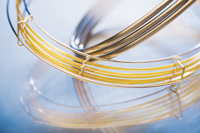
Rtx®-1701 is one of the most popular stationary phases used in capillary GC. The mix of cyano and phenyl functional groups increases the polarity and offers a different elution order relative to less polar Rtx®-1 or Rtx®-5 columns. An Rtx®-1701 column is ideal for confirmation analysis, in combination with an Rtx®-35 or Rtx®-5 column. The polymer is fully characterized to ensure long-term reproducibility, column-to-column consistency, and low bleed, even with sensitive detectors such as ECDs and MSDs.
| ID (mm) | df(µm) | Temperature limits (°C) |
|---|---|---|
| 0.10 | 0.10 | -20 to 280 |
| 0.18 | 0.20 | -20 to 280 |
| 0.18 | 0.40 | -20 to 270/280 |
| 0.25 | 0.10 | -20 to 280 |
| 0.25 | 0.25 | -20 to 280 |
| 0.25 | 0.50 | -20 to 270/280 |
| 0.25 | 1.00 | -20 to 260/280 |
| 0.32 | 0.10 | -20 to 280 |
| 0.32 | 0.25 | -20 to 280 |
| 0.32 | 0.50 | -20 to 270/280 |
| 0.32 | 1.00 | -20 to 260/280 |
| 0.32 | 1.50 | -20 to 240/260 |
| 0.53 | 0.10 | -20 to 270/280 |
| 0.53 | 0.25 | -20 to 270/280 |
| 0.53 | 0.50 | -20 to 260/270 |
| 0.53 | 1.00 | -20 to 250/270 |
| 0.53 | 1.50 | -20 to 240/260 |
| 0.53 | 3.00 | -20 to 230/250 |
(Crossbond® 6% cyanopropylphenyl/94% dimethyl polysiloxane)
| ID (mm) | df(µm) | Temperature limits (°C) |
|---|---|---|
| 0.18 | 1.00 | -20 to 240 |
| 0.25 | 1.40 | -20 to 240 |
| 0.32 | 1.80 | -20 to 240 |
| 0.45 | 2.55 | -20 to 240 |
| 0.53 | 3.00 | -20 to 240 |
(Crossbond® 6% cyanopropylphenyl/94% dimethyl polysiloxane )
Many analysts feel the Rtx®-1301 column has the best cyanosilicone bonded stationary phase available, with no other column manufacturer providing lower bleed, longer lifetime, or better inertness. The polymer is fully characterized to ensure long-term reproducibility, column-to-column consistency, and low bleed--even with sensitive detectors such as ECDs and MSDs.
| ID (mm) | df(µm) | Temperature limits (°C) |
|---|---|---|
| 0.25 | 0.25 | -20 to 280 |
| 0.25 | 0.50 | -20 to 270 |
| 0.25 | 1.00 | -20 to 260 |
| 0.25 | 1.40 | -20 to 240 |
| 0.32 | 0.25 | -20 to 280 |
| 0.32 | 0.50 | -20 to 270 |
| 0.32 | 1.00 | -20 to 260 |
| 0.32 | 1.50 | -20 to 250 |
| 0.53 | 0.25 | -20 to 280 |
| 0.53 | 0.50 | -20 to 270 |
| 0.53 | 1.00 | -20 to 260 |
| 0.53 | 1.50 | -20 to 250 |
| 0.53 | 3.00 | -20 to 240 |
(Crossbond® 5% diphenyl/95% dimethyl polysiloxane)
The 5% diphenyl/95% dimethyl polysiloxane stationary phase is the most popular GC stationary phase and is used in a wide variety of applications. All residual catalysts and low molecular weight fragments are removed from the Rtx®-5 polymer, providing a tight mono-modal distribution and extremely low bleed.
| ID (mm) | df(µm) | Temperature limits (°C) |
|---|---|---|
| 0.10 | 0.10 | -60 to 330/350 |
| 0.10 | 0.40 | -60 to 320/340 |
| 0.18 | 0.20 | -60 to 330/350 |
| 0.18 | 0.40 | -60 to 315/330 |
| 0.25 | 0.10 | -60 to 330/350 |
| 0.25 | 0.25 | -60 to 330/350 |
| 0.25 | 0.50 | -60 to 330/350 |
| 0.25 | 1.00 | -60 to 320/340 |
| 0.32 | 0.10 | -60 to 330/350 |
| 0.32 | 0.25 | -60 to 330/350 |
| 0.32 | 0.50 | -60 to 330/350 |
| 0.32 | 1.00 | -60 to 330/350 |
| 0.32 | 1.50 | -60 to 310/330 |
| 0.32 | 3.00 | -60 to 280/300 |
| 0.32 | 5.00 | -60 to 260/280 |
| 0.53 | 0.10 | -60 to 320/340 |
| 0.53 | 0.25 | -60 to 320/340 |
| 0.53 | 0.50 | -60 to 310/330 |
| 0.53 | 1.00 | -60 to 310/330 |
| 0.53 | 1.50 | -60 to 310/330 |
| 0.53 | 3.00 | -60 to 270/290 |
| 0.53 | 5.00 | -60 to 270/290 |
Maximum temperatures listed are for 15- and 30-meter lengths. Longer lengths may have a slightly reduced maximum temperature.
(Crossbond® 100% dimethyl polysiloxane)
Rtx®-1 columns exhibit long lifetime and very low bleed at high operating temperatures. A proprietary synthesis process eliminates residual catalysts that could cause degradation and increase bleed.
| ID (mm) | df(µm) | Temperature limits (°C) |
|---|---|---|
| 0.10 | 0.10 | -60 to 330/350 |
| 0.10 | 0.40 | -60 to 320/340 |
| 0.18 | 0.20 | -60 to 330/350 |
| 0.18 | 0.40 | -60 to 320/340 |
| 0.25 | 0.10 | -60 to 330/350 |
| 0.25 | 0.25 | -60 to 330/350 |
| 0.25 | 0.50 | -60 to 330/350 |
| 0.25 | 1.00 | -60 to 320/340 |
| 0.32 | 0.10 | -60 to 330/350 |
| 0.32 | 0.25 | -60 to 330/350 |
| 0.32 | 0.50 | -60 to 330/350 |
| 0.32 | 1.00 | -60 to 320/340 |
| 0.32 | 1.50 | -60 to 310/330 |
| 0.32 | 3.00 | -60 to 280/300 |
| 0.32 | 4.00 | -60 to 280/300 |
| 0.32 | 5.00 | -60 to 260/280 |
| 0.45 | 2.55 | -60 to 270/290 |
| 0.53 | 0.10 | -60 to 320/340 |
| 0.53 | 0.25 | -60 to 320/340 |
| 0.53 | 0.50 | -60 to 310/330 |
| 0.53 | 1.00 | -60 to 310/330 |
| 0.53 | 1.50 | -60 to 310/330 |
| 0.53 | 3.00 | -60 to 270/290 |
| 0.53 | 5.00 | -60 to 270/290 |
| 0.53 | 7.00 | -60 to 240/260 |
Maximum temperatures listed are for 15- and 30-meter lengths. Longer lengths may have a slightly reduced maximum temperature.
(Crossbond® 20% diphenyl/80% dimethyl polysiloxane)
| ID (mm) | df(µm) | Temperature limits (°C) |
|---|---|---|
| 0.25 | 0.25 | -20 to 300/320 |
| 0.25 | 0.50 | -20 to 290/310 |
| 0.25 | 1.00 | -20 to 280/300 |
| 0.32 | 0.25 | -20 to 300/320 |
| 0.32 | 0.50 | -20 to 290/310 |
| 0.32 | 1.00 | -20 to 280/300 |
| 0.32 | 1.50 | -20 to 270/290 |
| 0.32 | 3.00 | -20 to 250/270 |
| 0.53 | 0.25 | -20 to 260/280 |
| 0.53 | 0.50 | -20 to 260/280 |
| 0.53 | 1.00 | -20 to 260/280 |
| 0.53 | 3.00 | -20 to 240/260 |
(Crossbond® 35% diphenyl/65% dimethyl polysiloxane)
An Rtx®-35 column is a popular confirmation column for pesticides and herbicides, in conjunction with an Rtx®-5 or Rtx®-1701 column. The higher phenyl content causes useful elution order and retention time changes.
| ID (mm) | df(µm) | Temperature limits (°C) |
|---|---|---|
| 0.18 | 0.20 | 40 to 300/320 |
| 0.18 | 0.40 | 40 to 290/310 |
| 0.25 | 0.25 | 40 to 320 |
| 0.25 | 0.50 | 40 to 310 |
| 0.25 | 1.00 | 40 to 290 |
| 0.32 | 0.25 | 40 to 320 |
| 0.32 | 0.50 | 40 to 310 |
| 0.32 | 1.00 | 40 to 290 |
| 0.32 | 1.50 | 40 to 270/290 |
| 0.32 | 3.00 | 40 to 250/270 |
| 0.53 | 0.25 | 40 to 260/280 |
| 0.53 | 0.50 | 40 to 300 |
| 0.53 | 1.00 | 40 to 290 |
| 0.53 | 1.50 | 40 to 280 |
| 0.53 | 3.00 | 40 to 240/260 |
(Crossbond® 35% diphenyl/65% dimethyl polysiloxane)
An Rtx®-35 column is a popular confirmation column for pesticides and herbicides, in conjunction with an Rtx®-5 or Rtx®-1701 column. The higher phenyl content causes useful elution order and retention time changes.
| ID (mm) | df(µm) | Temperature limits (°C) |
|---|---|---|
| 0.25 | 0.10 | 40 to 320/340 |
| 0.25 | 0.25 | 40 to 320/340 |
| 0.25 | 0.50 | 40 to 310/330 |
| 0.25 | 1.00 | 40 to 290/310 |
| 0.32 | 0.10 | 40 to 320/340 |
| 0.32 | 0.25 | 40 to 320/340 |
| 0.32 | 0.50 | 40 to 310/330 |
| 0.32 | 1.00 | 40 to 290310 |
| 0.53 | 0.50 | 40 to 300/320 |
| 0.53 | 1.00 | 40 to 290 |
| 0.53 | 1.50 | 40 to 280/300 |
(Crossbond® 100%methylphenyl polysiloxane)
The high thermal stability of Rtx®-50 columns makes possible dual-column analysis with common phases such as Rtx®-1ms or Rtx®-5ms. Between analyses, high temperatures can be used to drive less volatile contaminants off of the column.
| ID (mm) | df(µm) | Temperature limits (°C) |
|---|---|---|
| 0.18 | 0.20 | 40 to 310/330 |
| 0.18 | 0.40 | 40 to 300/320 |
| 0.25 | 0.25 | 40 to 300/320 |
| 0.25 | 0.50 | 40 to 290/310 |
| 0.25 | 1.00 | 40 to 280/300 |
| 0.32 | 0.25 | 40 to 300/320 |
| 0.32 | 0.50 | 40 to 290/310 |
| 0.32 | 1.00 | 40 to 280/300 |
| 0.53 | 0.25 | 40 to 280/300 |
| 0.53 | 0.50 | 40 to 270/290 |
| 0.53 | 0.83 | 40 to 270/290 |
| 0.53 | 1.00 | 40 to 260/280 |
| 0.53 | 1.50 | 40 to 250/270 |
(Crossbond® 65% diphenyl/35%dimethyl polysiloxane)
The Rtx®-65 phase contains the highest phenyl content of any bonded stationary phase available, to improve separation of aromatic compounds through increased phase-analyte interaction. A unique polarity makes these columns ideal for a variety of analyses, from phenols to FAMEs. As a confirmation column for EPA Method 604 phenols, an Rtx®-65 column produces a different elution order, compared to the primary Rtx®-5 column. Rtx®-65 columns elute FAMEs according to equivalent chain length, similar to bonded Carbowax® columns, but the Rtx®-65 phase does not suffer the thermal stability limitations of other polar stationary phases.
| ID (mm) | df(µm) | Temperature limits (°C) |
|---|---|---|
| 0.25 | 0.25 | 50 to 300 |
| 0.25 | 0.50 | 50 to 280/300 |
| 0.25 | 1.00 | 50 to 260/280 |
| 0.32 | 0.25 | 50 to 300 |
| 0.32 | 0.50 | 50 to 280/300 |
| 0.32 | 1.00 | 50 to 300 |
| 0.53 | 0.25 | 40 to 290/300 |
| 0.53 | 0.50 | 40 to 270/290 |
| 0.53 | 1.00 | 40 to 250/270 |